A-
A+
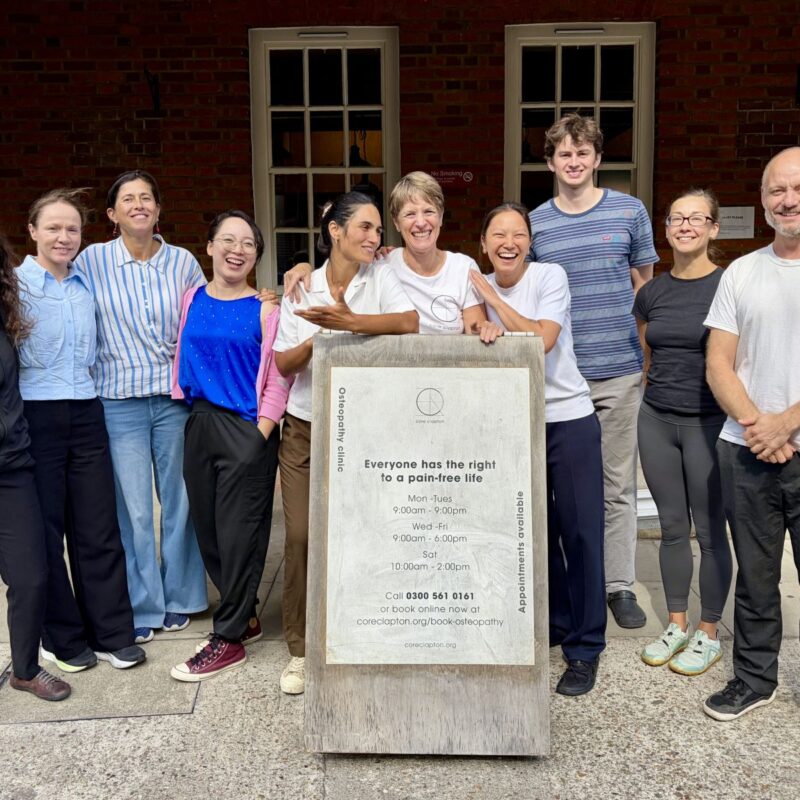
Can you tell us a bit about yourself and your role at Core Clapton?
I founded Core Clapton in 2016 after working for many years as an osteopath in private practice. I wanted to create somewhere that combined clinical excellence with social purpose, where everyone, regardless of income, could access high-quality osteopathic care. Since opening in 2017, Core Clapton has grown into a charity delivering thousands of treatments while also contributing research into chronic pain and healthy ageing.
What is Core Clapton’s mission?
Our mission is to help people move better, live better and regain confidence in their bodies. We believe that access to excellent healthcare shouldn’t depend on someone’s ability to pay.
We’ve developed a model where people who choose to pay privately for osteopathy, massage or other wellbeing services help make treatment possible for local residents who couldn’t otherwise afford it. Every appointment helps support our wider charitable work.
What makes Core Clapton’s approach unique?
We combine service delivery, education and research. Alongside providing low-cost treatment, we’re collecting data on quality of life outcomes and exploring how hands-on therapies can support people with chronic pain.
We’re also interested in how touch, trust and human connection contribute to wellbeing, particularly for people whose experiences may not fit neatly within traditional healthcare models.
What have you learned from listening to residents about their experiences of pain?
Many people feel frustrated by the complexity of the system and the lack of a clear pathway. Through our workshops and wider conversations with residents and community partners, people have spoken about feeling misunderstood or left to navigate their own way through services. At the same time, we’ve learned that people value support that helps them feel heard, understood and more confident in managing their condition.
Why is community pain support important?
Healthcare is essential, but communities can offer something different. Community organisations are often embedded in the places where people live and can provide trusted spaces, social connection and opportunities to build confidence through movement, peer support and wellbeing programmes.
For many people living with chronic pain, these things can be an important part of living well alongside their condition, particularly when they are connected with rather than separate from health services.
You’ve also been involved in Hackney’s Neighbourhoods work around pain. What has that involved?
I’ve been part of the Hackney Downs Neighbourhood Action Group and have helped develop some of the work around community pain support. It’s been a really useful opportunity to bring residents, community organisations and health services together to think about what support for people living with persistent pain could look like outside traditional healthcare settings.
For me, the important thing is that this work starts with what local people actually need. Pain doesn’t just affect someone physically – it can affect confidence, work, relationships and social connection. The Neighbourhoods approach gives us an opportunity to think more broadly about how local services and community organisations can work together to support people.
What are the biggest challenges facing charities today?
Many organisations are trying to address significant community need while facing increasing financial pressures. There is often an assumption that the voluntary sector can fill gaps in provision, but charities also need sustainable funding and support if they are to continue delivering impact.
Can you share an example of a project that has had a particularly positive impact on local residents?
We recently published a research study we did with older adults living with persistent musculoskeletal pain. The study showed that osteopathy was well accepted by older adults and participants reported improvements in pain, physical function and wellbeing (link to article).
What opportunities do you see for the future?
I would like to see stronger collaboration between health services, researchers and community organisations. Chronic pain is a significant issue affecting quality of life, employment and wellbeing, and no single organisation can address it alone. By working together at neighbourhood level, I think we can create more joined-up and effective support that reflects what residents actually need.
If you could change one thing about how health and community services work together, what would it be?
I would like to see more recognition of the role community organisations play in supporting health and wellbeing, alongside stronger partnerships that allow us to combine our strengths for the benefit of residents.
Join the board of trustees
Core Clapton is currently looking for new trustees to help shape the next chapter of the charity. They’re particularly keen to hear from people with experience in charity strategy, marketing, fundraising or stakeholder engagement who share our ambition to improve health and wellbeing and make high-quality care accessible to everyone.
If you’d like to use your skills, experience and networks to help Core Clapton grow its impact and develop new partnerships across Hackney and beyond, please email info@coreclapton.org with a brief introduction and what you feel you could bring to the Board.